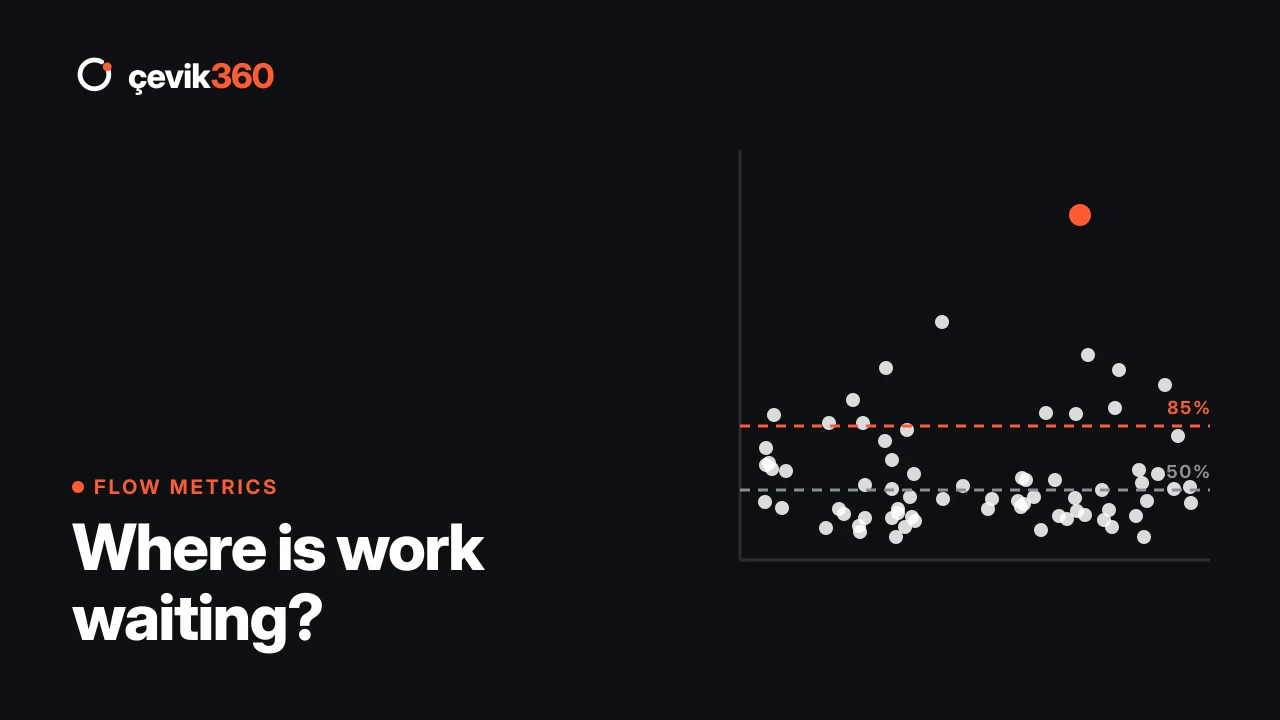
Where Is Work Waiting? Four Flow Metrics That Make It Visible
WIP, cycle time, throughput and work item age: the four flow metrics that show where work waits, what they tell you and how to use them.
Flow and Kanban, Scrum, lean and continuous improvement, strategy and portfolio: practical notes for organisations where work waits less.
WIP, cycle time, throughput and work item age: the four flow metrics that show where work waits, what they tell you and how to use them.
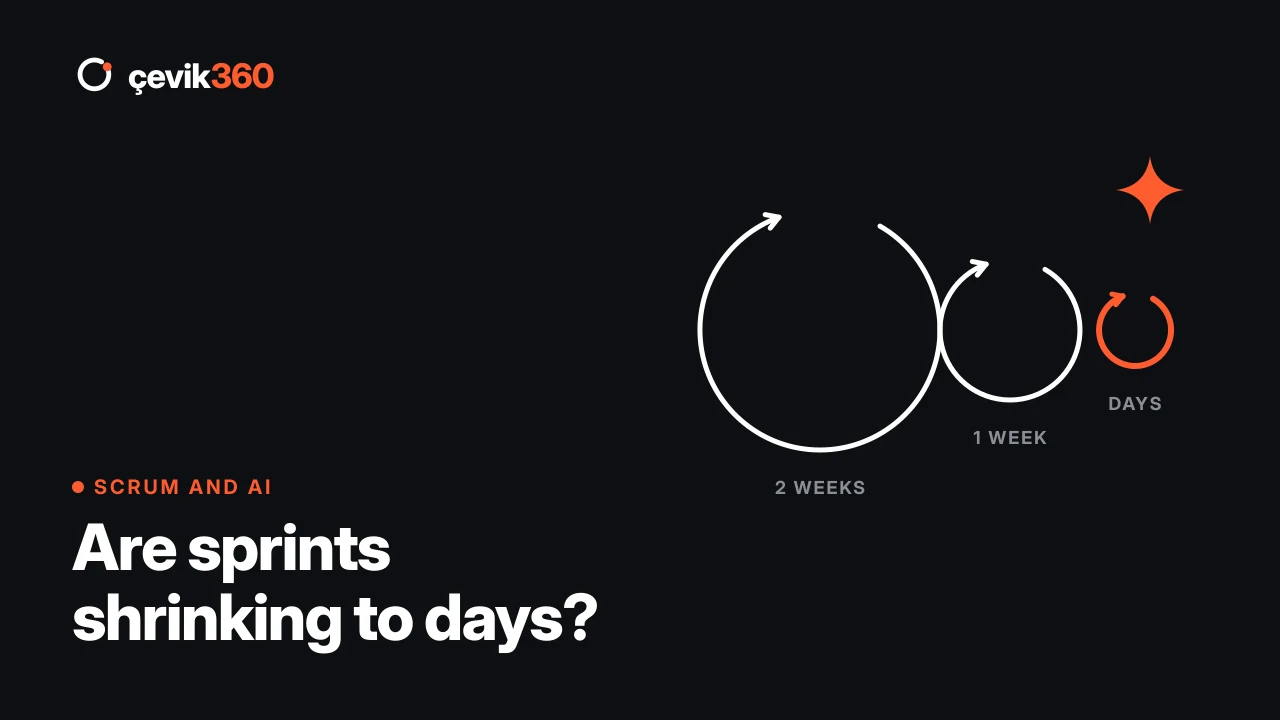
AI speeds up coding, but work still waits for decisions, reviews and tests. What to know before you shorten your sprints.
The eight most common mistakes in agile adoption, from ignoring culture to limiting team autonomy, and how to avoid them.
Is your organisation ready for agile transformation? Ten signs, from leadership support and market pressure to team autonomy and a learning culture.
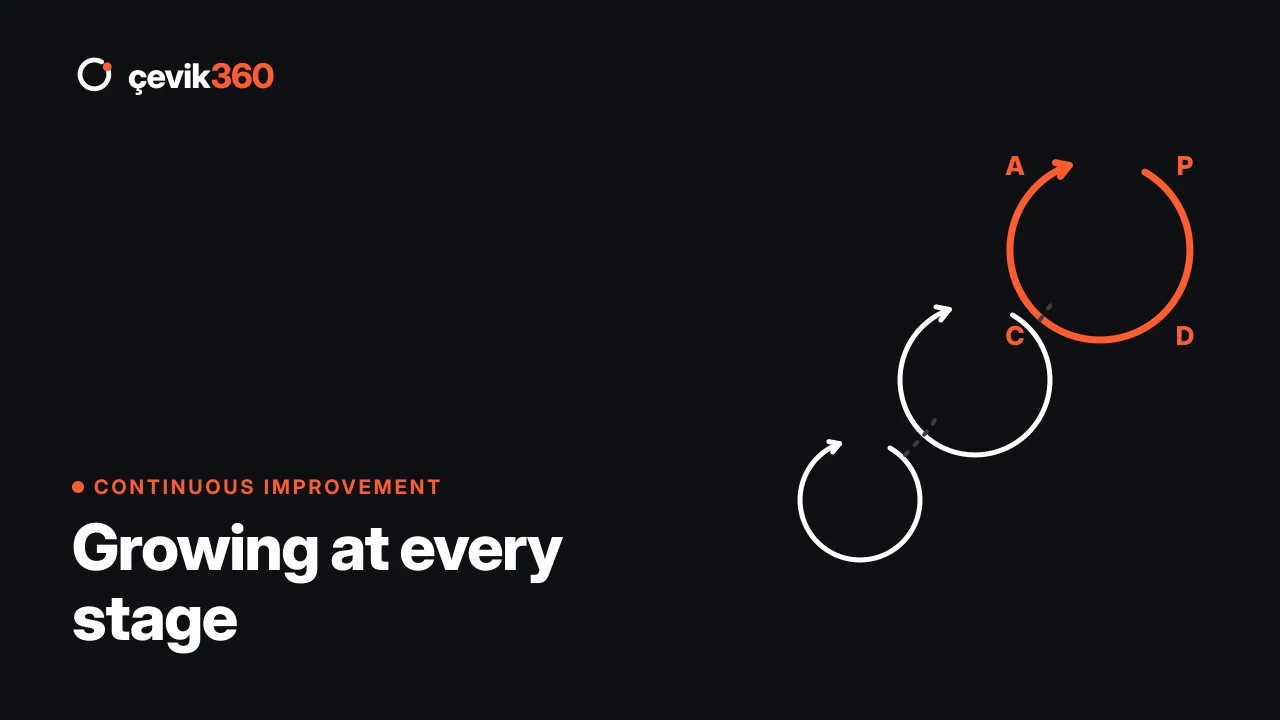
What is continuous improvement and how do agile and lean put it into practice? Kaizen, PDCA, flow metrics and seven principles of a lasting system.
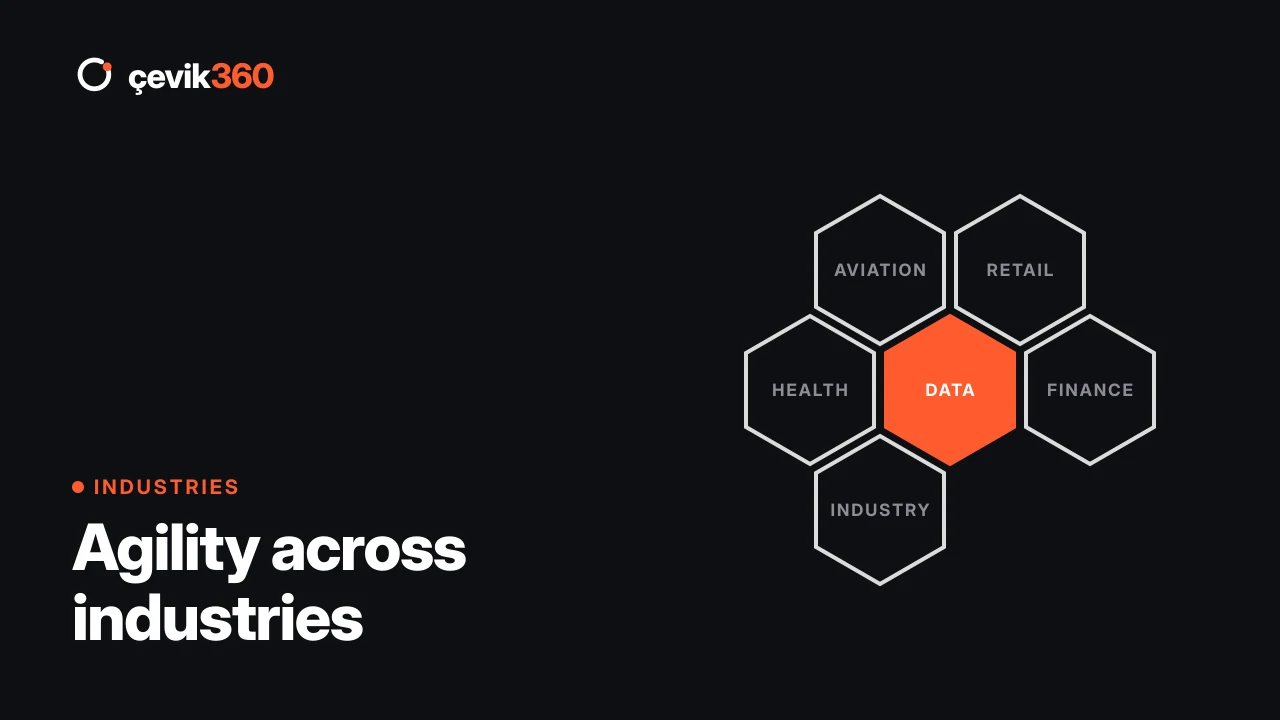
How is agility applied beyond software? The impact of agile approaches in aviation, e-commerce, healthcare and data science, and the benefits they share.
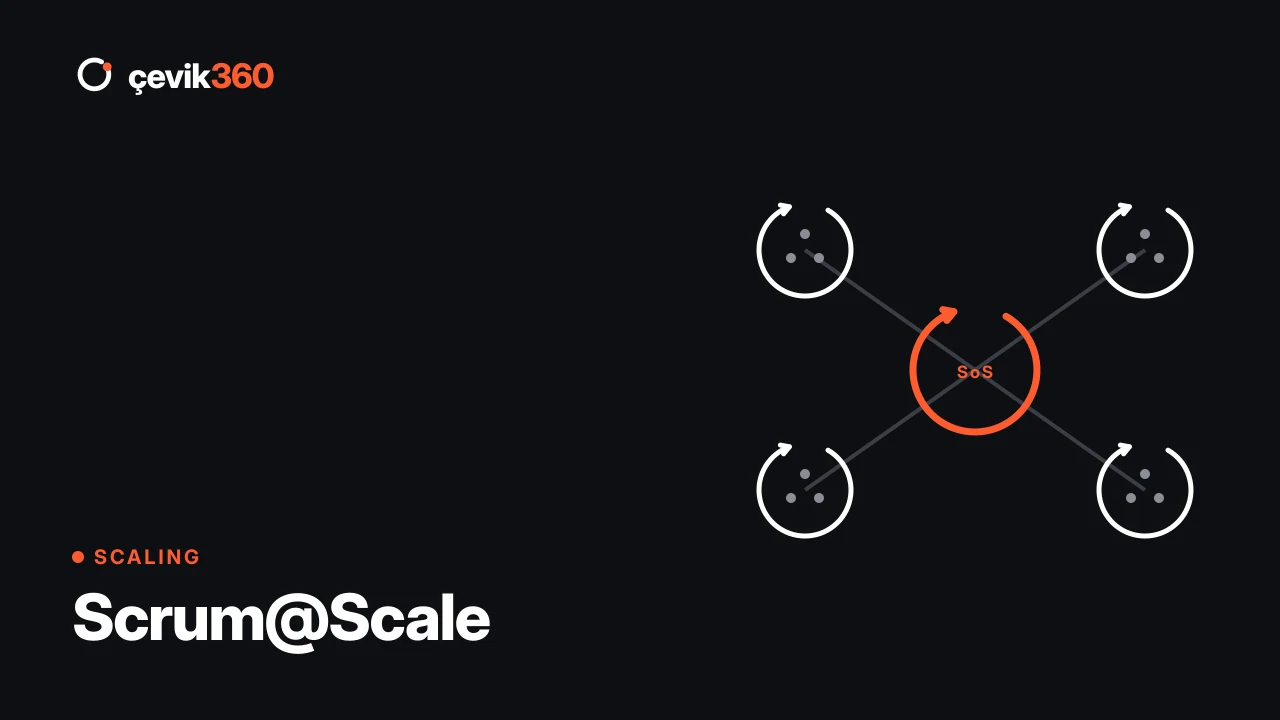
What is Scrum@Scale and how does it work? Scrum of Scrums, MetaScrum, the Executive Action Team and the two cycles; how it differs from SAFe and LeSS.
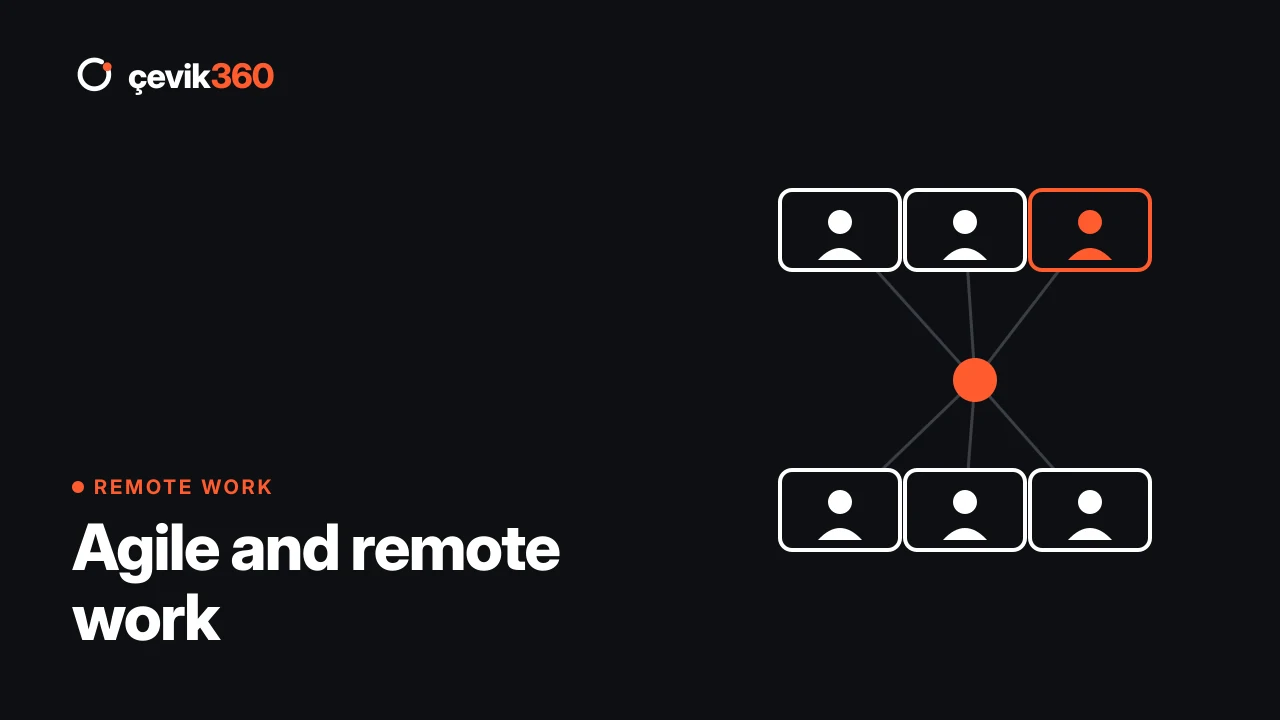
How do remote and hybrid agile teams succeed? Advice on collaboration tools, time zones, team cohesion and leading remotely.
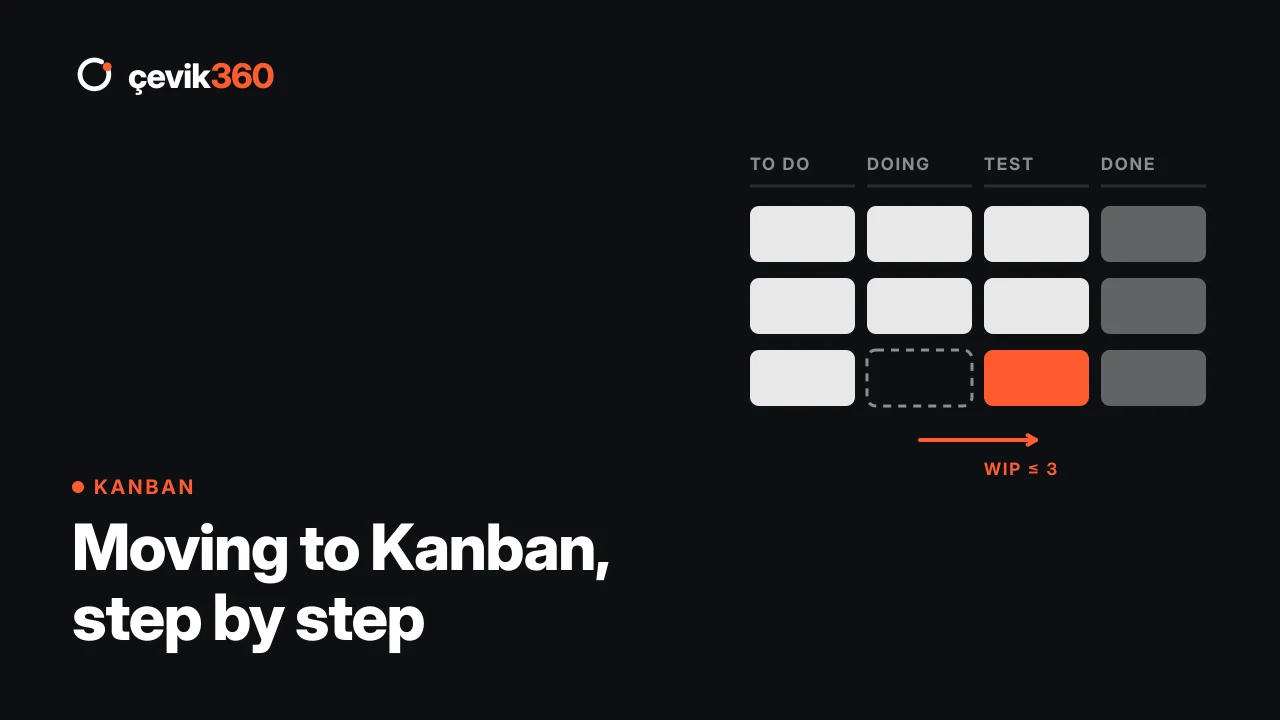
How do you move to Kanban? From visualising today's flow to WIP limits, flow metrics and feedback loops: a step-by-step guide to adopting Kanban.
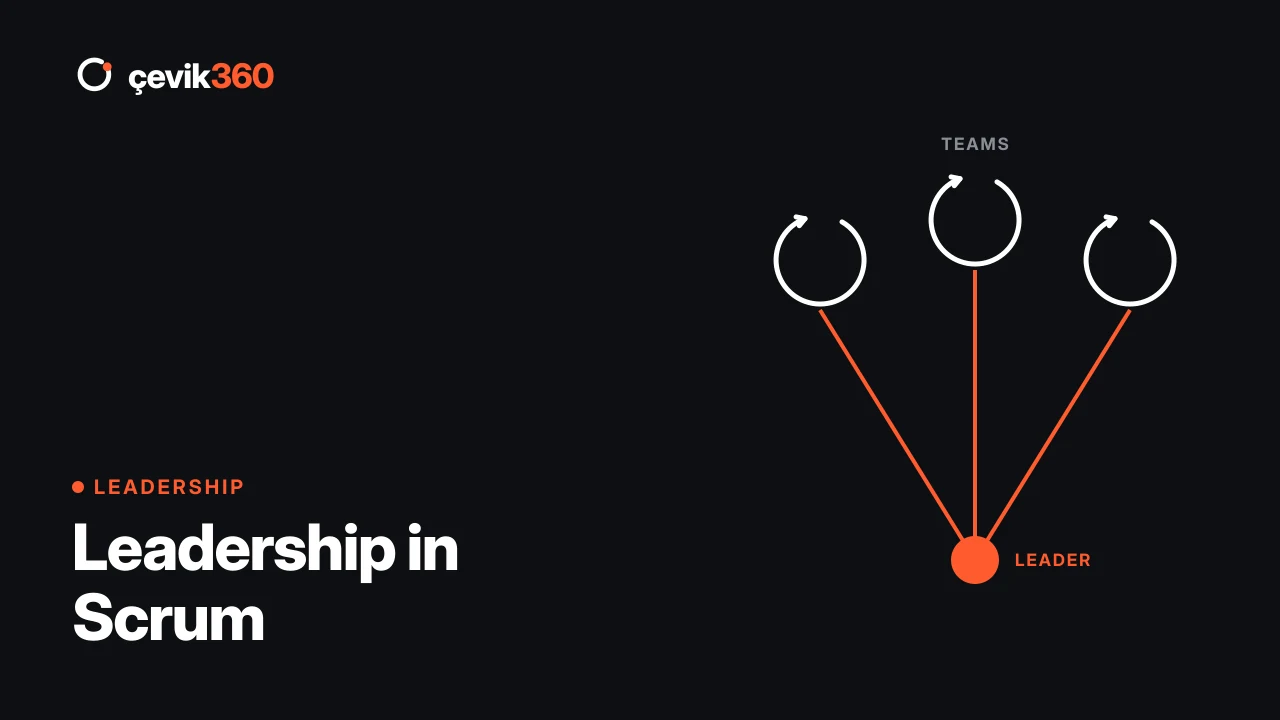
Why does Scrum get stuck because of leadership? Servant leadership, what missing leadership does to teams, and six areas leaders should develop.
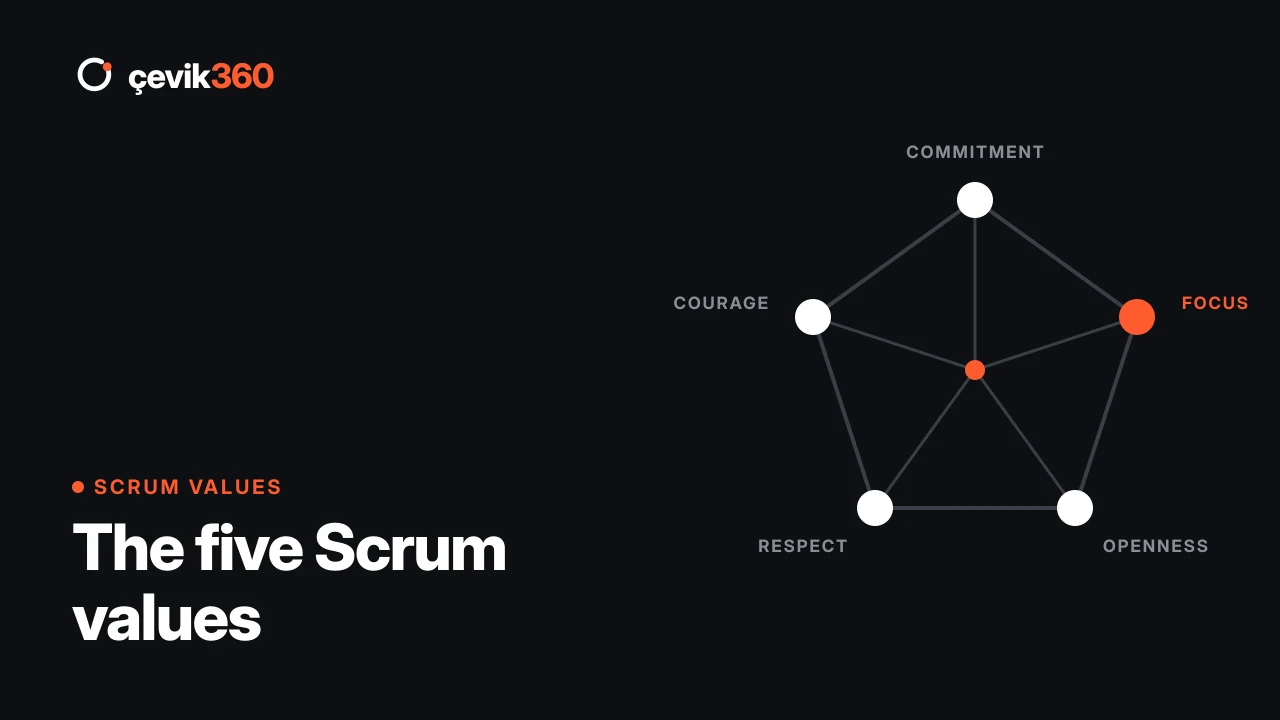
What do the five Scrum values (commitment, focus, openness, respect and courage) mean in practice? Signs they are missing, and how to strengthen them.
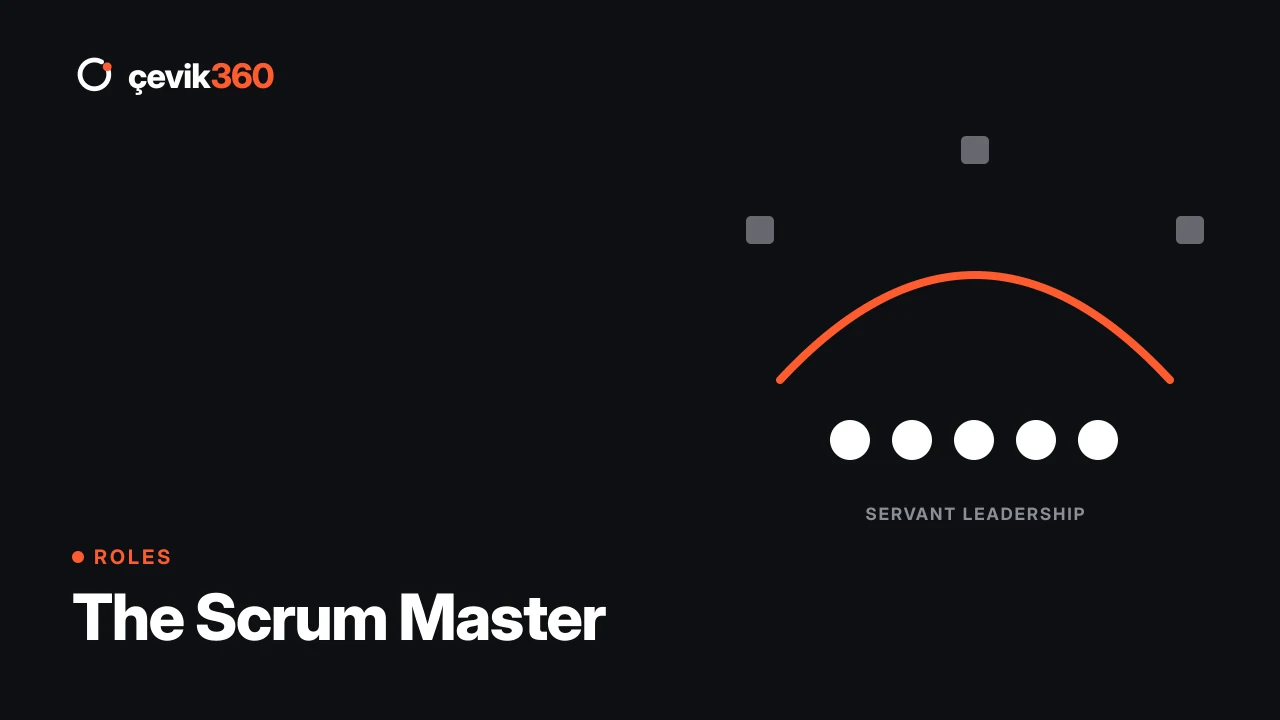
What does a Scrum Master do, and not do? How they support the team, the Product Owner and the organisation, the skills needed and common misunderstandings.
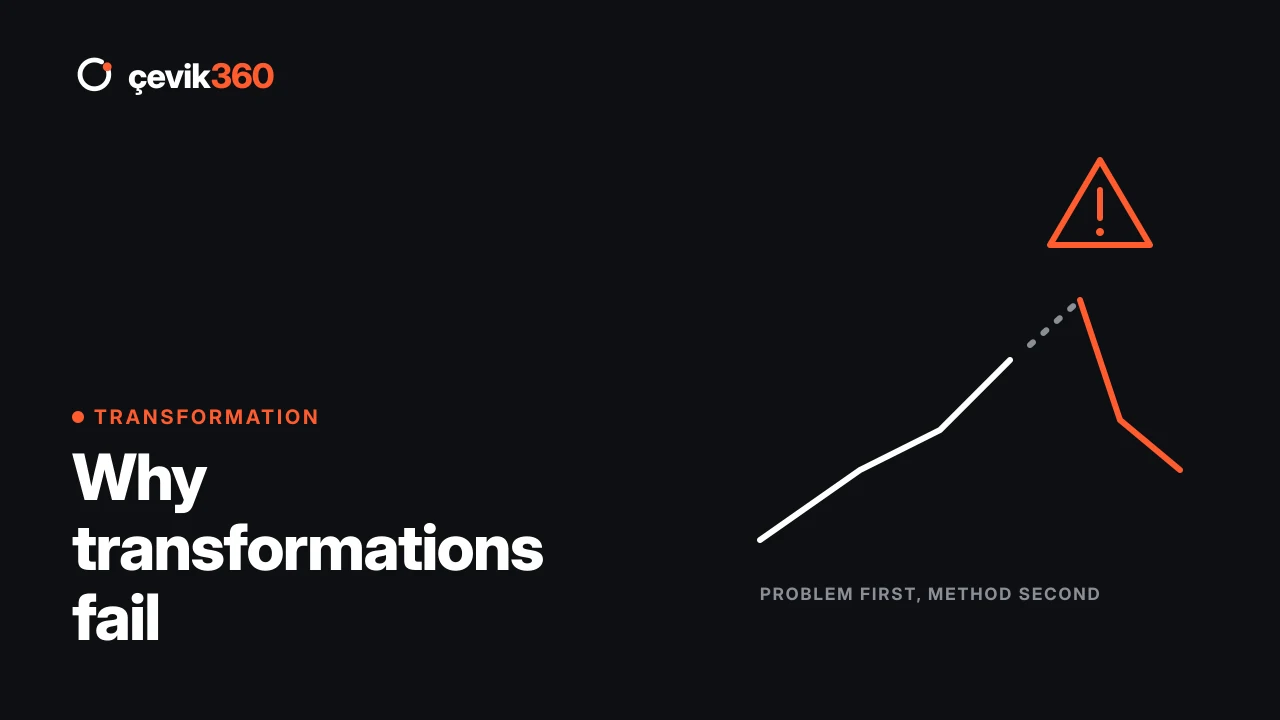
Why don't agile transformations deliver? Starting with the method, not measuring, copy-paste models and silos, and how to raise the success rate.
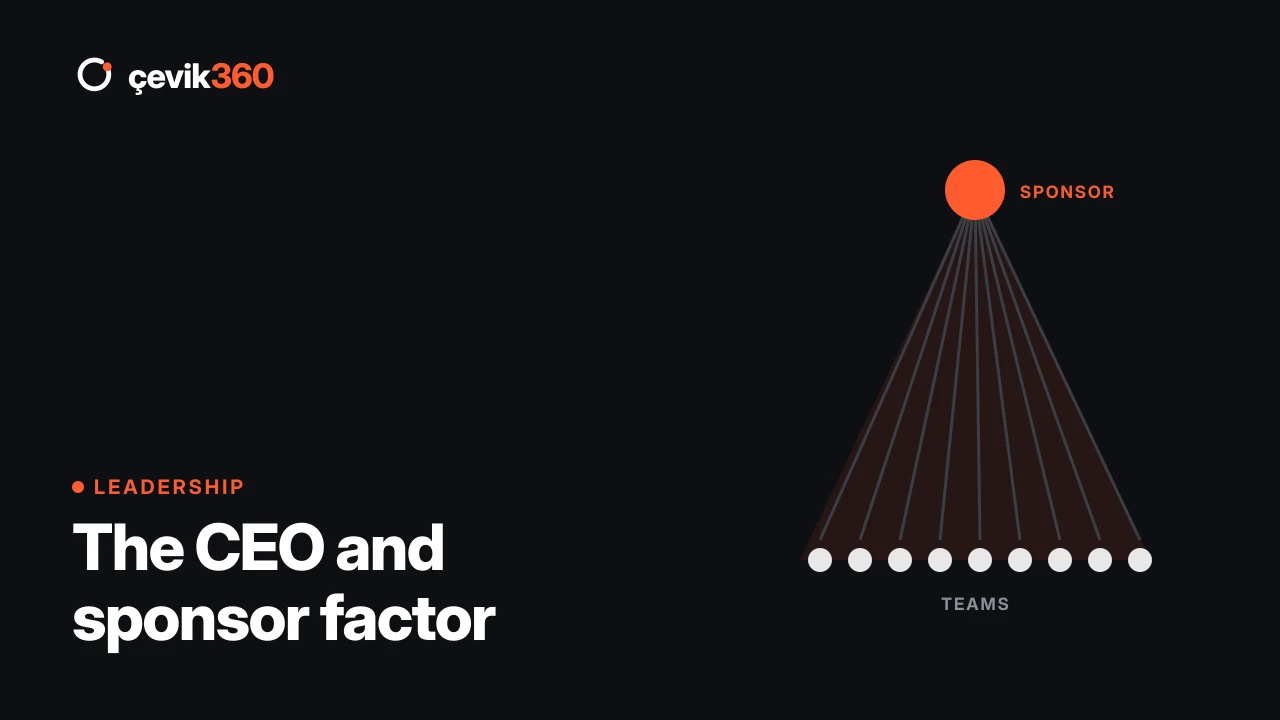
What is the CEO's or sponsor's role in an agile transformation? Vision, removing obstacles, communication and leading by example.
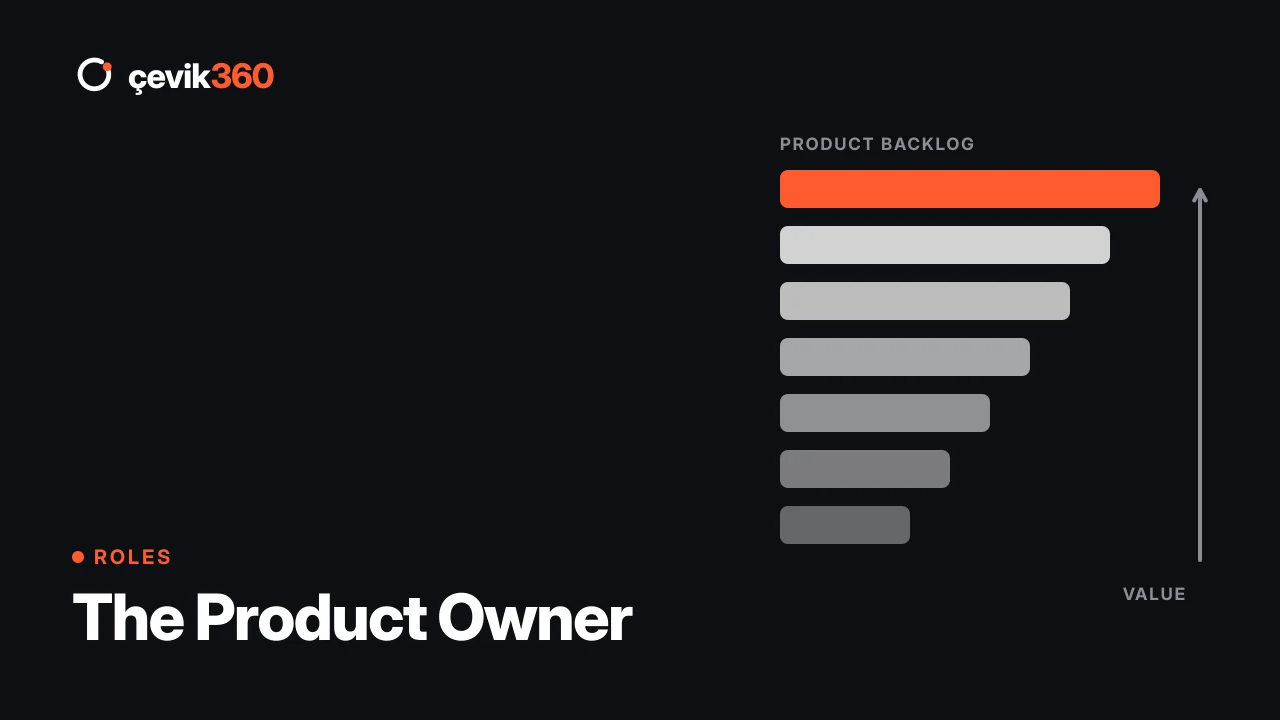
Who is the Product Owner, why is it one person, and how do they manage the Product Backlog? Responsibilities, skills and common pitfalls.
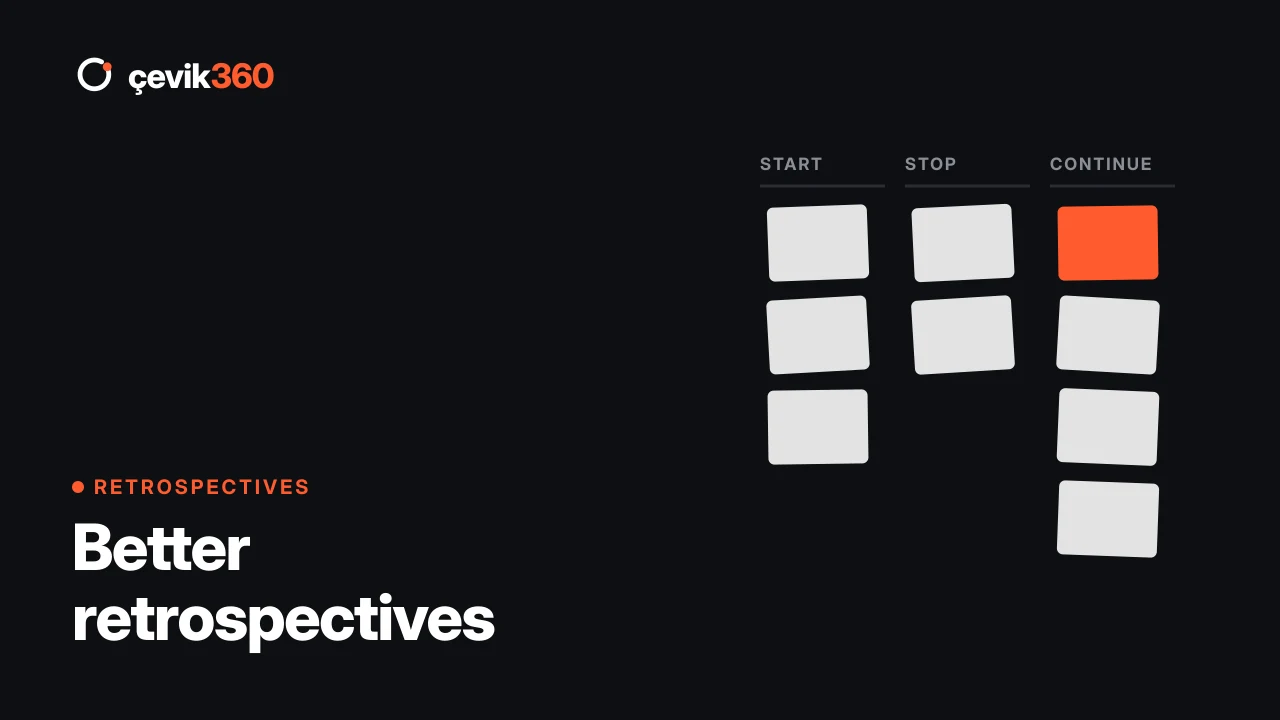
How to run a better Sprint Retrospective: psychological safety, starting with data, root cause analysis, following up on actions, and common mistakes.
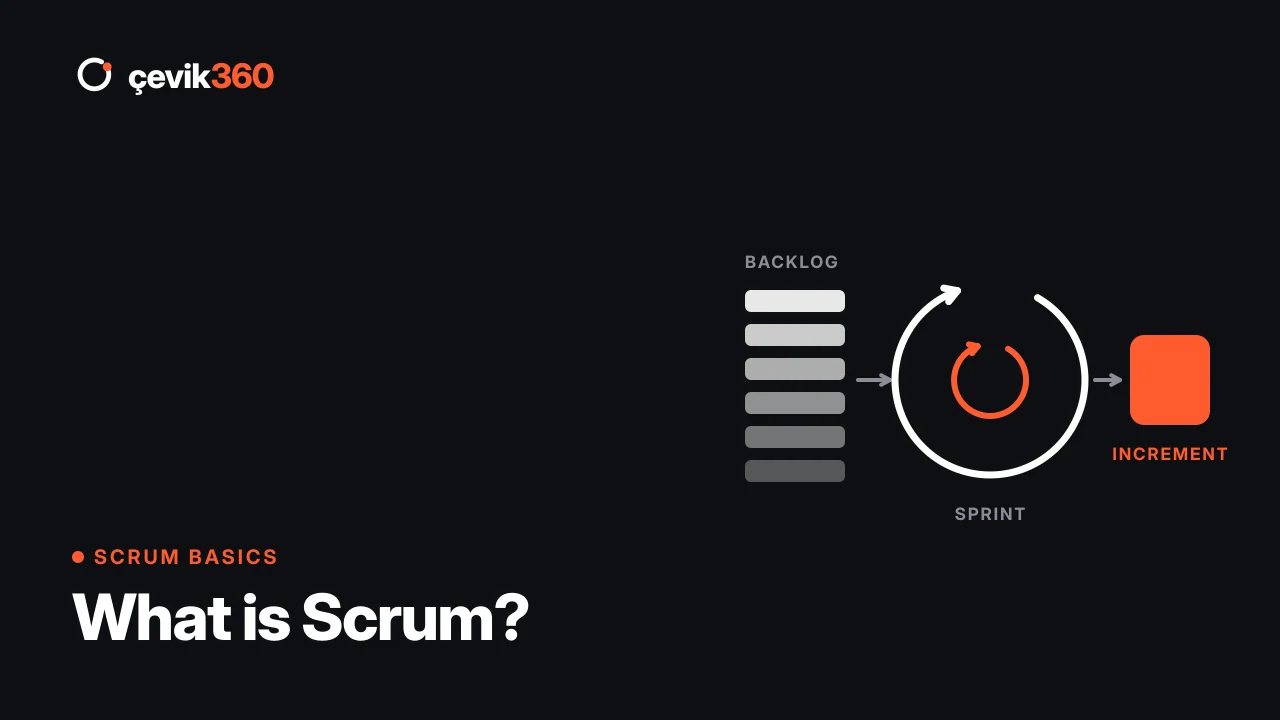
What is Scrum and how does it work? Its three accountabilities, five events, three artifacts and values, when it fits, and the most common mistakes.
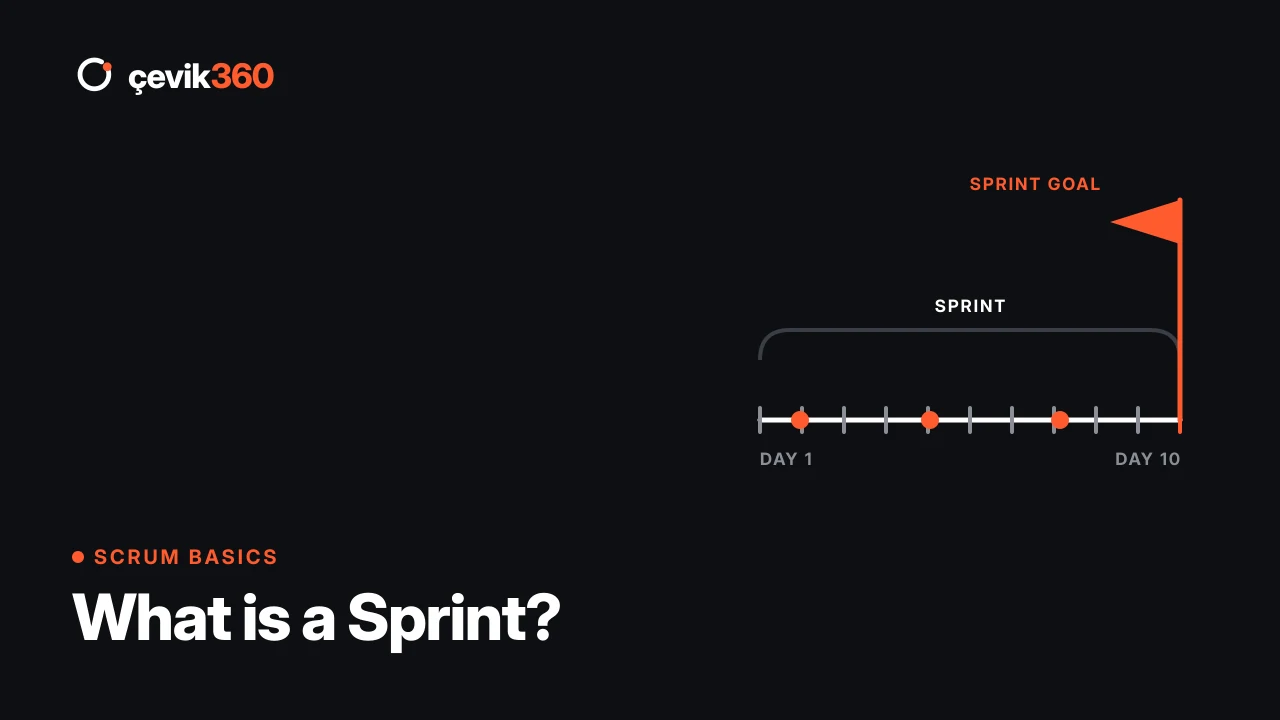
What is a Sprint, how long should it be and what can change during it? How to write a Sprint Goal, run Sprint Planning and avoid common mistakes.
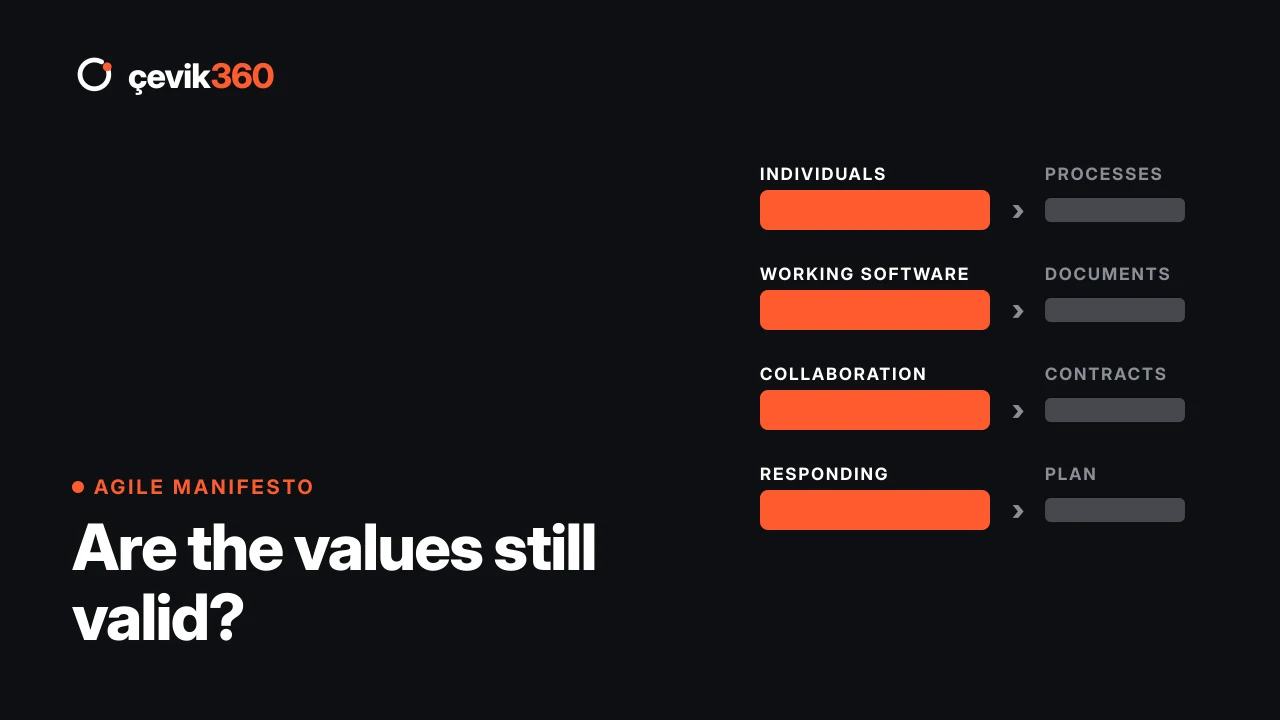
What do the four values of the Agile Manifesto, written in 2001, mean today? What each value looks like in practice, and the manifesto in the age of AI.
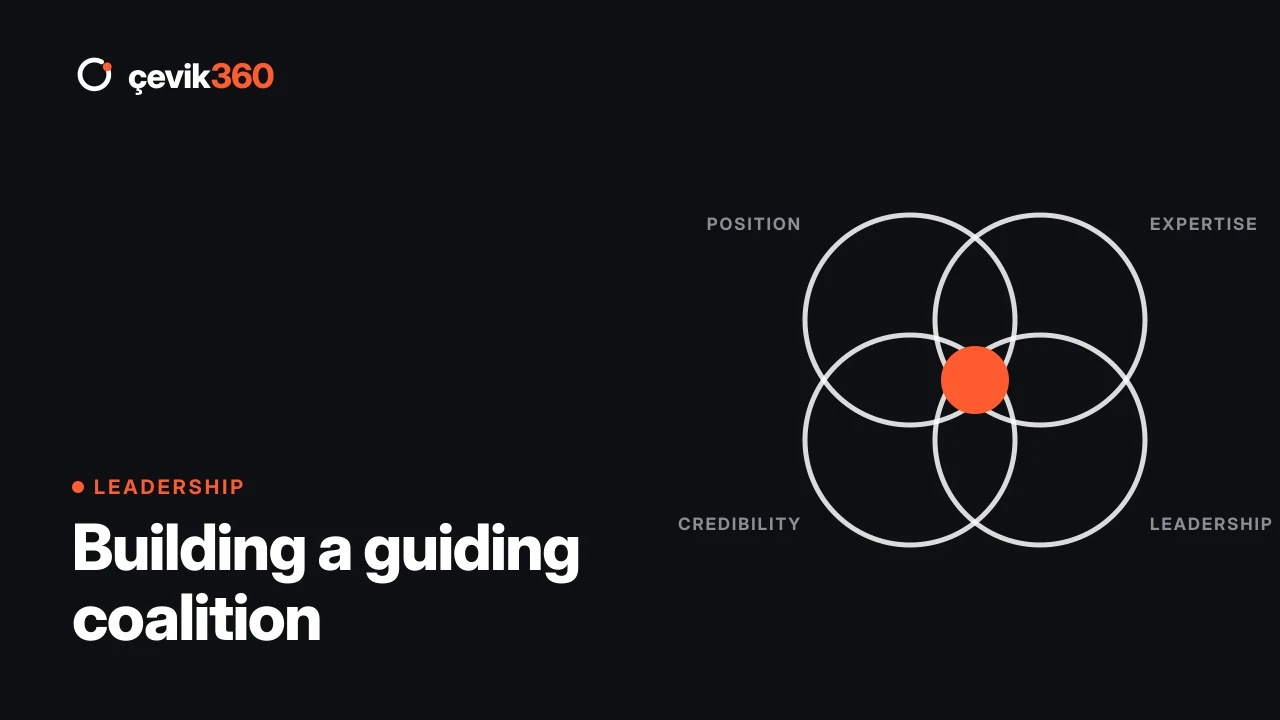
One team can't carry an agile transformation alone. Who should be in the change coalition, how should it work, and which mistakes should it avoid?
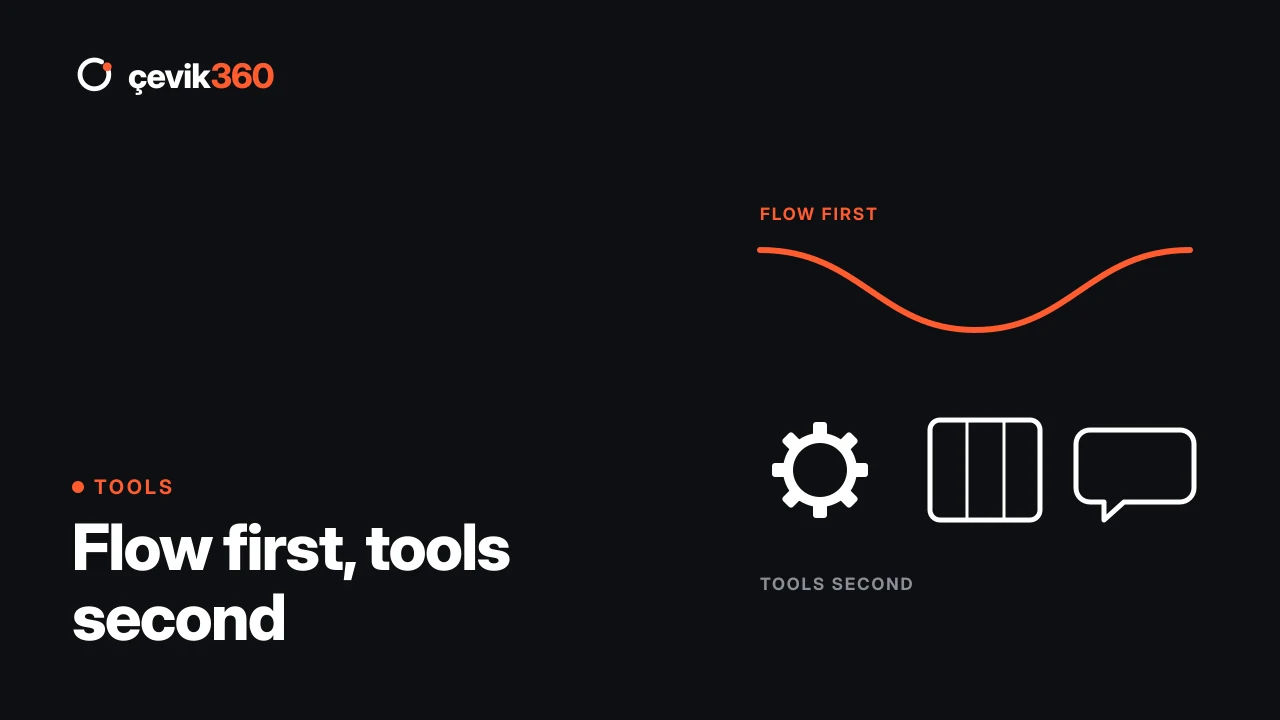
When do digital tools help an agile transformation, and when do they get in the way? Choosing tools, tool categories, AI tools and common mistakes.
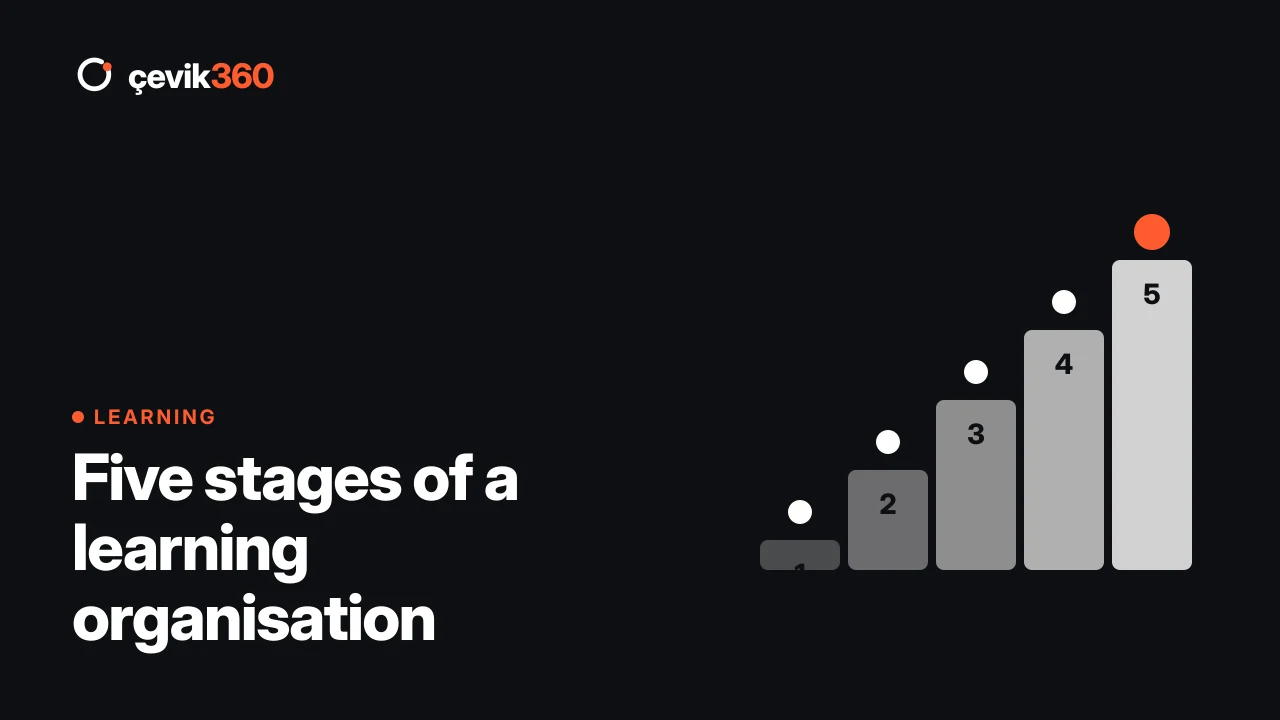
What is a learning organisation and how does it relate to agility? Five stages, from making work visible to building learning into the structure.
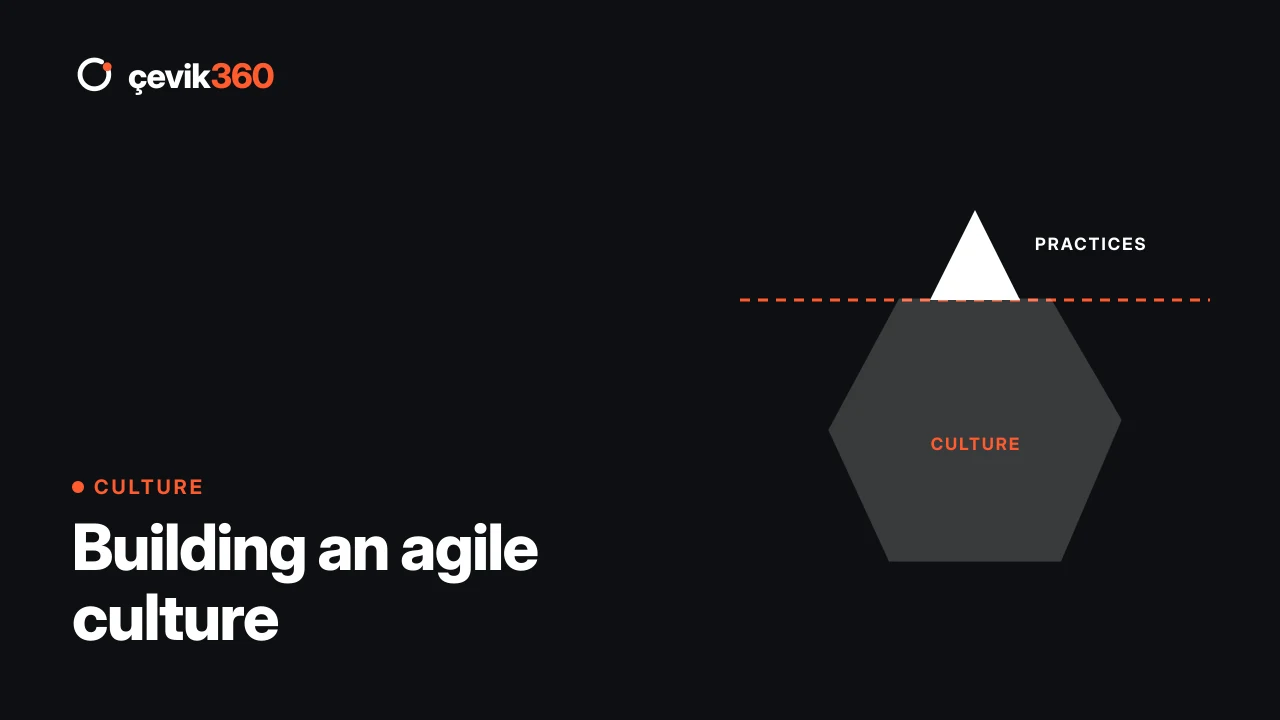
What is agile culture, why does it matter and how do you build it? Why applying a framework isn't enough, and which behaviours to change.
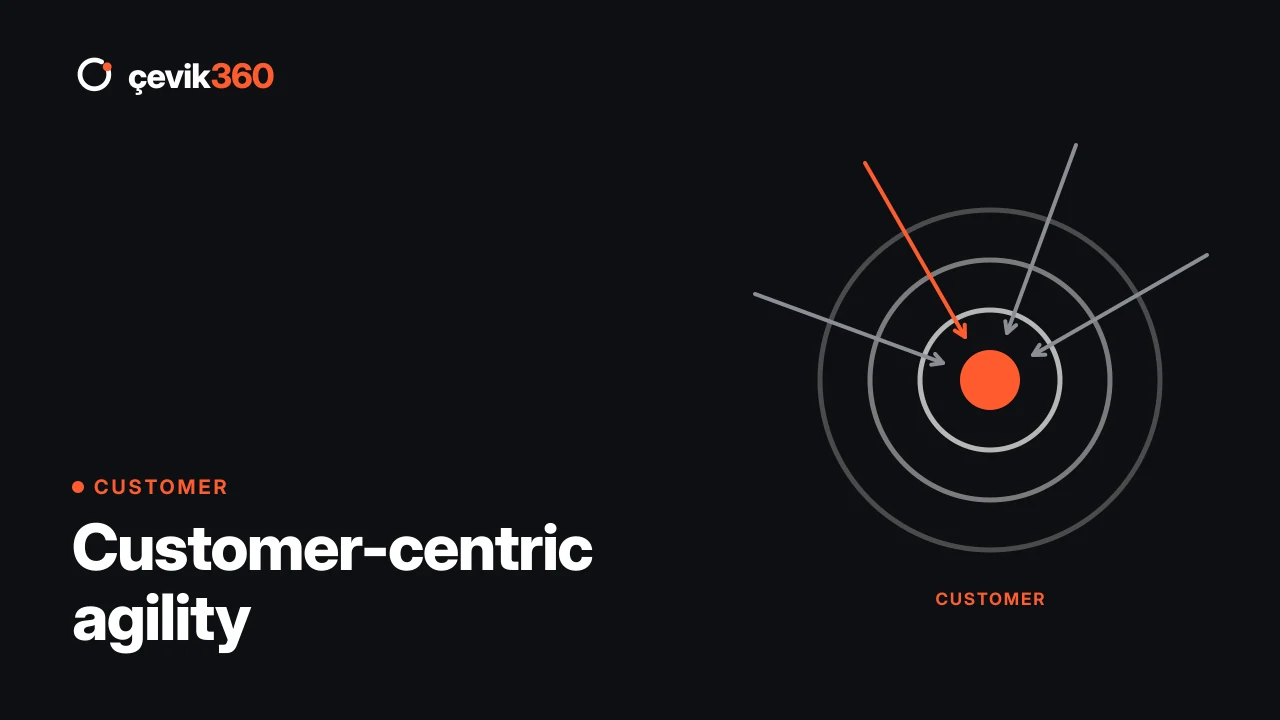
What is customer-centric agility? How to put the customer at the centre of work with feedback loops, end-to-end flow, the right measures and leadership.
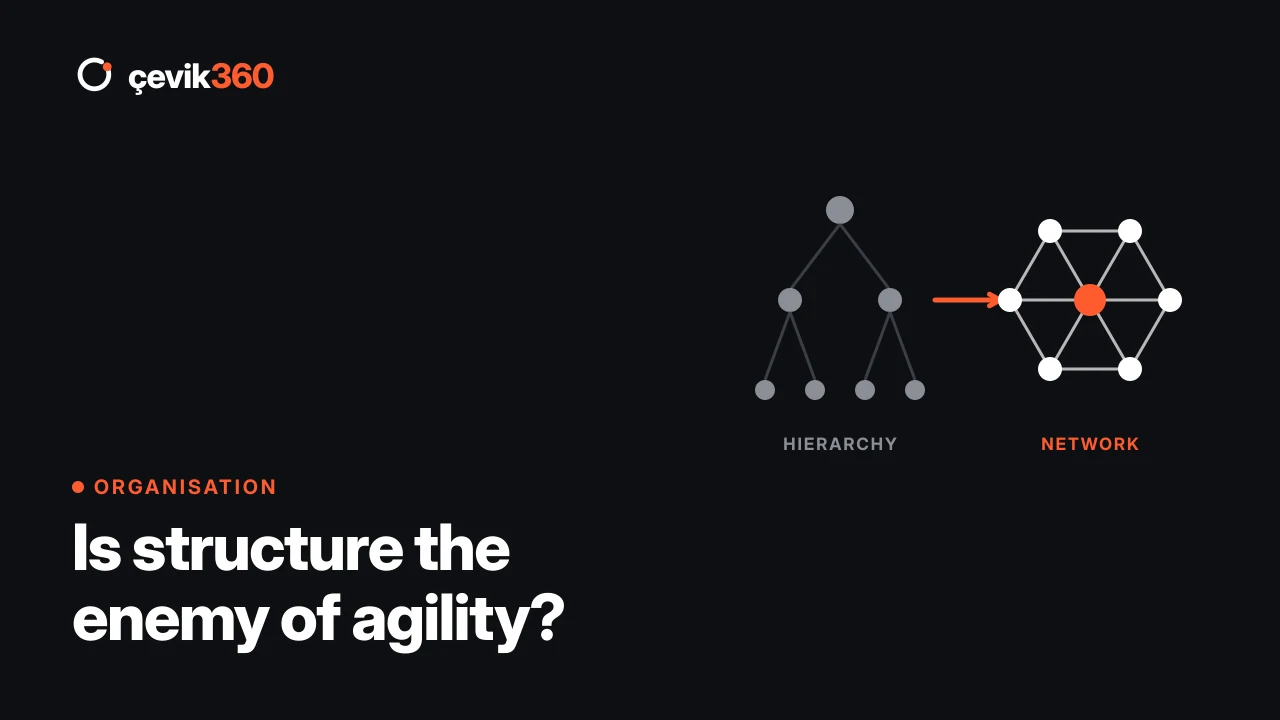
How do silos, unclear roles, approval layers and individual performance systems slow agility down? Practical ways to reduce structural obstacles.
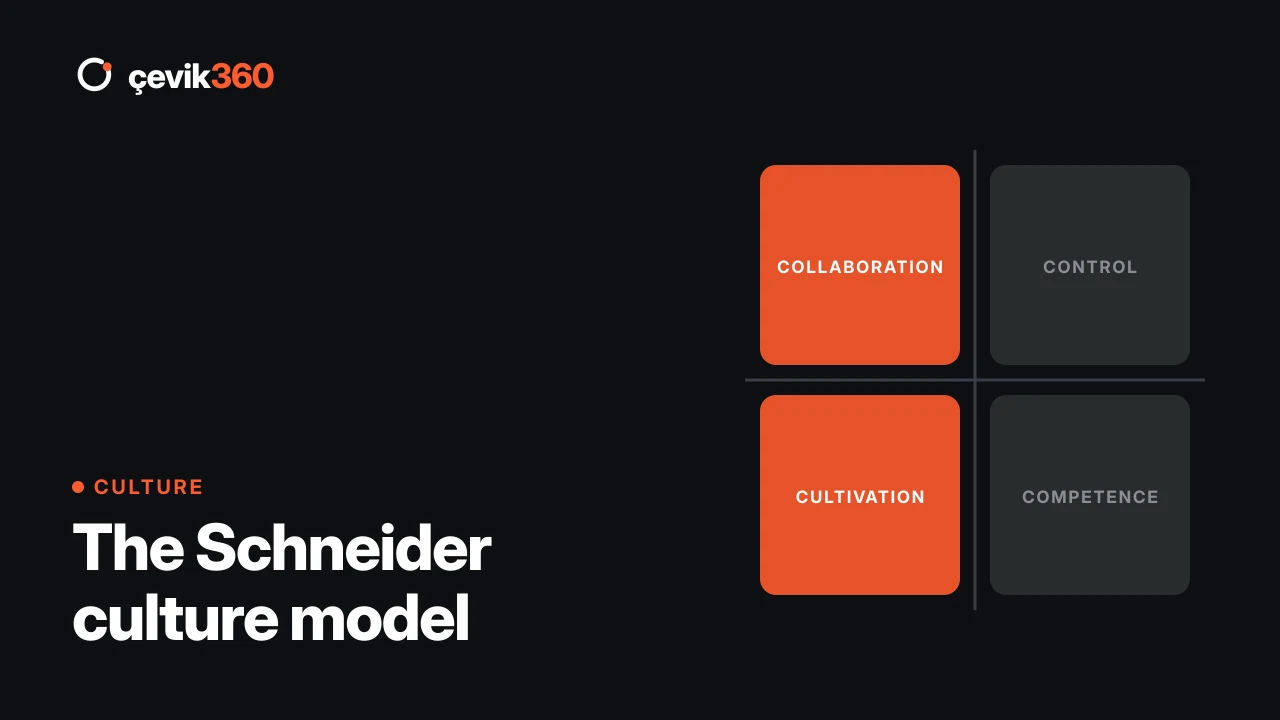
The Schneider culture model describes control, collaboration, competence and cultivation cultures. How to use it in an agile transformation.
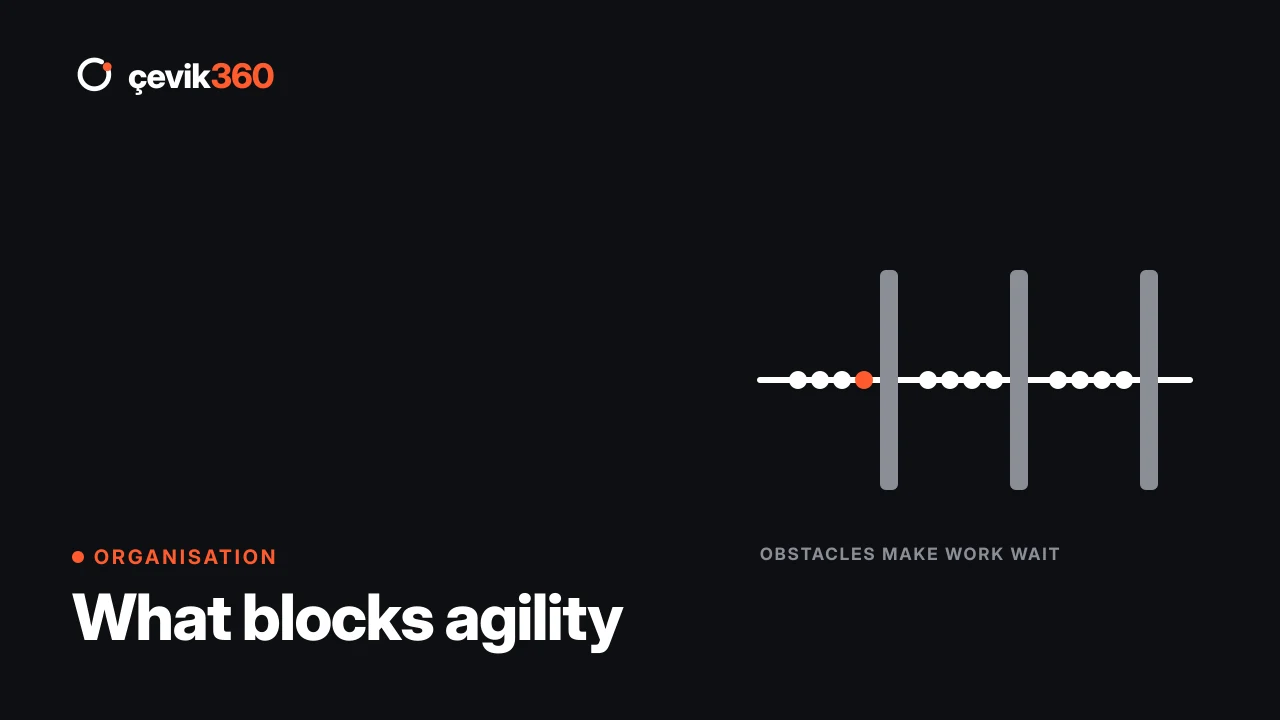
Seven obstacles that slow agile transformation in daily work, from lip-service leadership and vague goals to hierarchy, and how to deal with them.
In a 30-minute call, let's find the bottlenecks in your flow together.