10 Signs Your Organisation Is Ready for Agile Transformation
Is your organisation ready for agile transformation? Ten signs, from leadership support and market pressure to team autonomy and a learning culture.
Articles / Agile Organisation
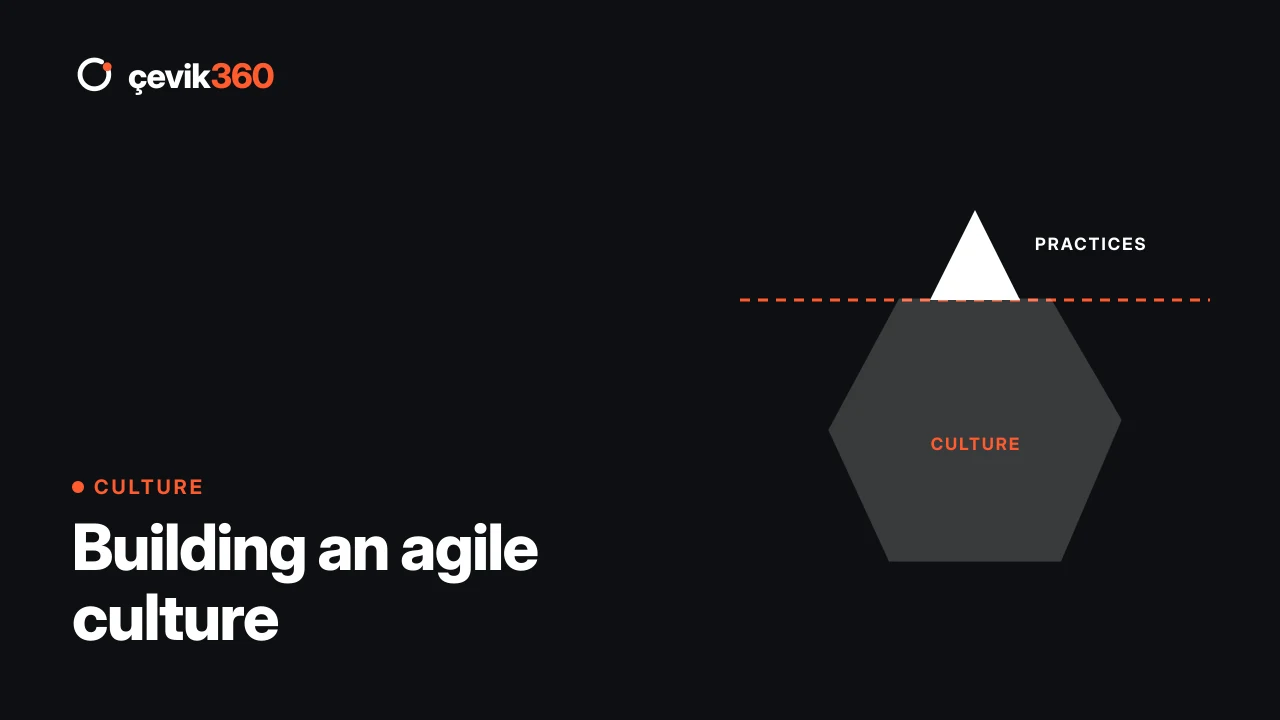
A few months after starting Scrum or Kanban, many organisations face the same question: “We hold the meetings, we have boards, so why hasn’t anything changed?” The answer is usually culture. Agile methods offer a way of working; culture is what keeps that way of working alive.
Agile culture is a set of shared values, beliefs and behaviours that support adapting quickly to change, delivering value to customers often and learning continuously. In practice it shows up like this:
Running Scrum events or setting up a Kanban board doesn’t change culture by itself. A picture we often see in the field:
In these cases the problem isn’t the method but the culture it’s applied in. To understand the fit between culture and method, see our article on the Schneider culture model.
Culture can’t be changed directly; as behaviours change, culture changes. Approaches we find effective:
Agile culture is both the goal and the means of agile transformation. Methods can be one way to change culture, but only when leadership behaviour, measurement systems and structure change in the same direction.
Related: Why agile transformations fail, Leadership in Scrum. To plan your culture change together, have a look at our agile transformation services.
Is your organisation ready for agile transformation? Ten signs, from leadership support and market pressure to team autonomy and a learning culture.
How is agility applied beyond software? The impact of agile approaches in aviation, e-commerce, healthcare and data science, and the benefits they share.
How do remote and hybrid agile teams succeed? Advice on collaboration tools, time zones, team cohesion and leading remotely.
In a 30-minute call, let's find the bottlenecks in your flow together.